
Sooner or later everyone who buys a lighting fixture meets DMX — usually at the exact moment the lights start doing something nobody asked for. Here is the five-minute version of how it works, and the one mistake that causes most of the problems we get asked about.
DMX in plain English
DMX512 is just a list of 512 numbers, sent from your controller down the cable many times a second. Each number is a “channel” with a value from 0 to 255. A simple fixture might listen to five channels (red, green, blue, dimmer, strobe); a moving head might listen to twenty or more. The fixture's address is simply which slot in the list it starts reading from. Two identical fixtures set to the same address will mirror each other; give the second one an address past the end of the first one's channels and they become independent. That is genuinely most of the theory.
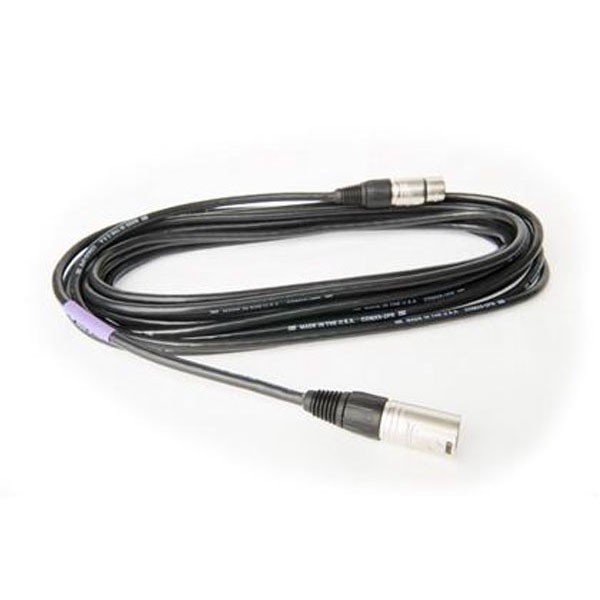
The mistake: microphone cables are not DMX cables
Yes, the plug fits. No, it is not the same cable. DMX is a high-speed data signal designed for 110-ohm cable; microphone cable has different impedance, and the mismatch reflects data back down the line. The cruel part is that it mostly works — through soundcheck, through rehearsal — and then fixtures start flickering and self-triggering mid-show as cable runs grow and gremlins compound. Real DMX cable costs little more than decent mic cable, and on runs past a few fixtures a terminator on the last unit's output soaks up those reflections entirely.
Daisy-chains, universes, and when you've outgrown one
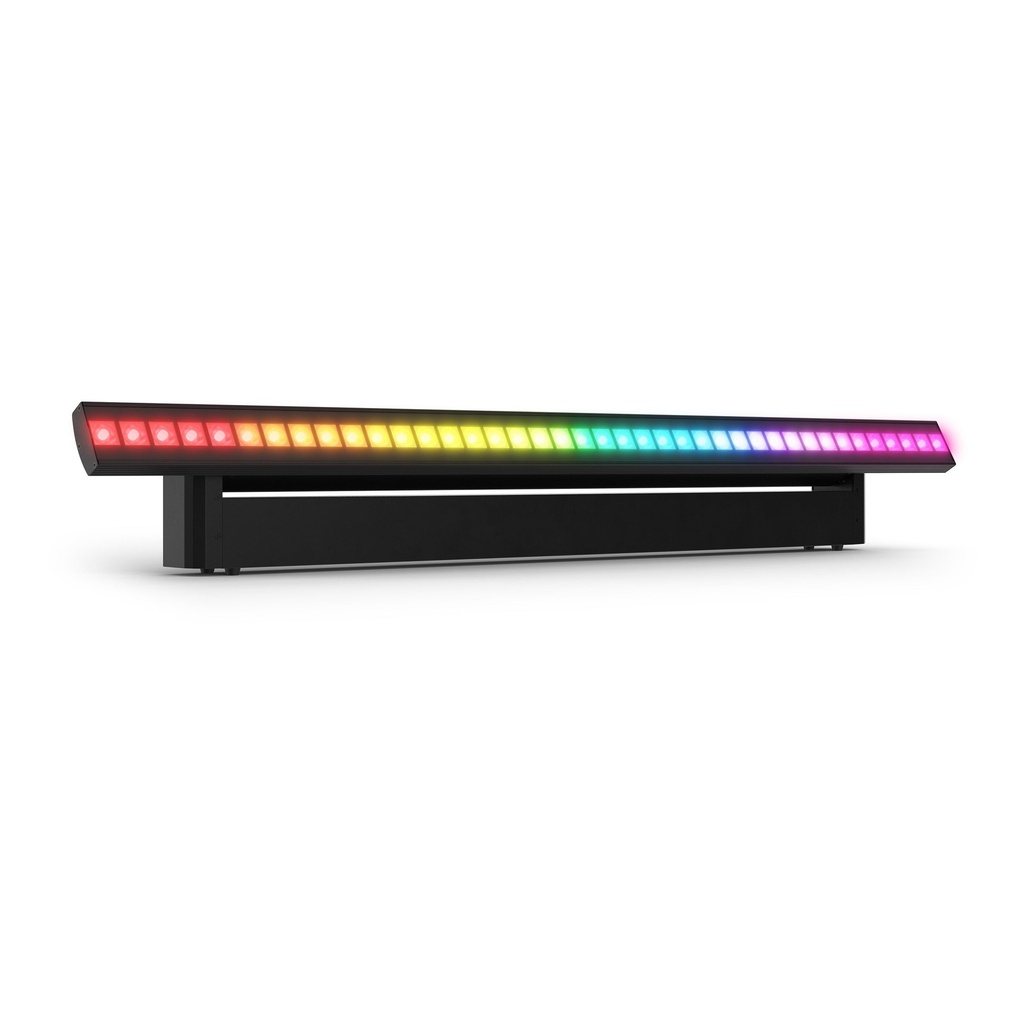
DMX runs OUT of the controller, IN to the first fixture, OUT to the next — one long chain, no splitting a cable with a Y-lead. When your fixture channels add up past 512, you need a second universe, which in practice means a proper console: the ChamSys QuickQ range we stock handles multiple universes while staying beginner-friendly. And if all of this still sounds like homework, fixtures with Chauvet's ILS system — like the COLORband Spectra ILS — can synchronise as a coordinated show with almost no setup at all.
Setting up a first rig for a hall, church or band? Bring your fixture list in — we will draw the signal path with you and send you home with the right cable, the right terminator and addresses that make sense.
Browse the range Ask us about this gear
Product imagery courtesy of our partners at MDR Lighting, New Zealand distributor for Chauvet and ChamSys.