
A wireless microphone is one of the few bits of production gear that can be genuinely illegal to use — not because of what it does, but because of where it transmits. Before you grab a bargain system off an overseas marketplace, here is what every Kiwi school, church, venue and band should know.
The spectrum problem, in one paragraph
Radio spectrum in New Zealand is managed by Radio Spectrum Management (RSM), and the bands available for wireless microphones have changed over the years — most famously when the old 700 MHz territory was cleared for 4G mobile. Systems sold for other markets, or older units bought second-hand, can sit right on top of spectrum now licensed to someone else. At best they will drop out constantly; at worst you are transmitting where you should not be. The fix is simple: buy a current system sold for the New Zealand market, in a band the local distributor supports. Every wireless system we sell at Cue-Go is an NZ-band unit sourced through the official channel.
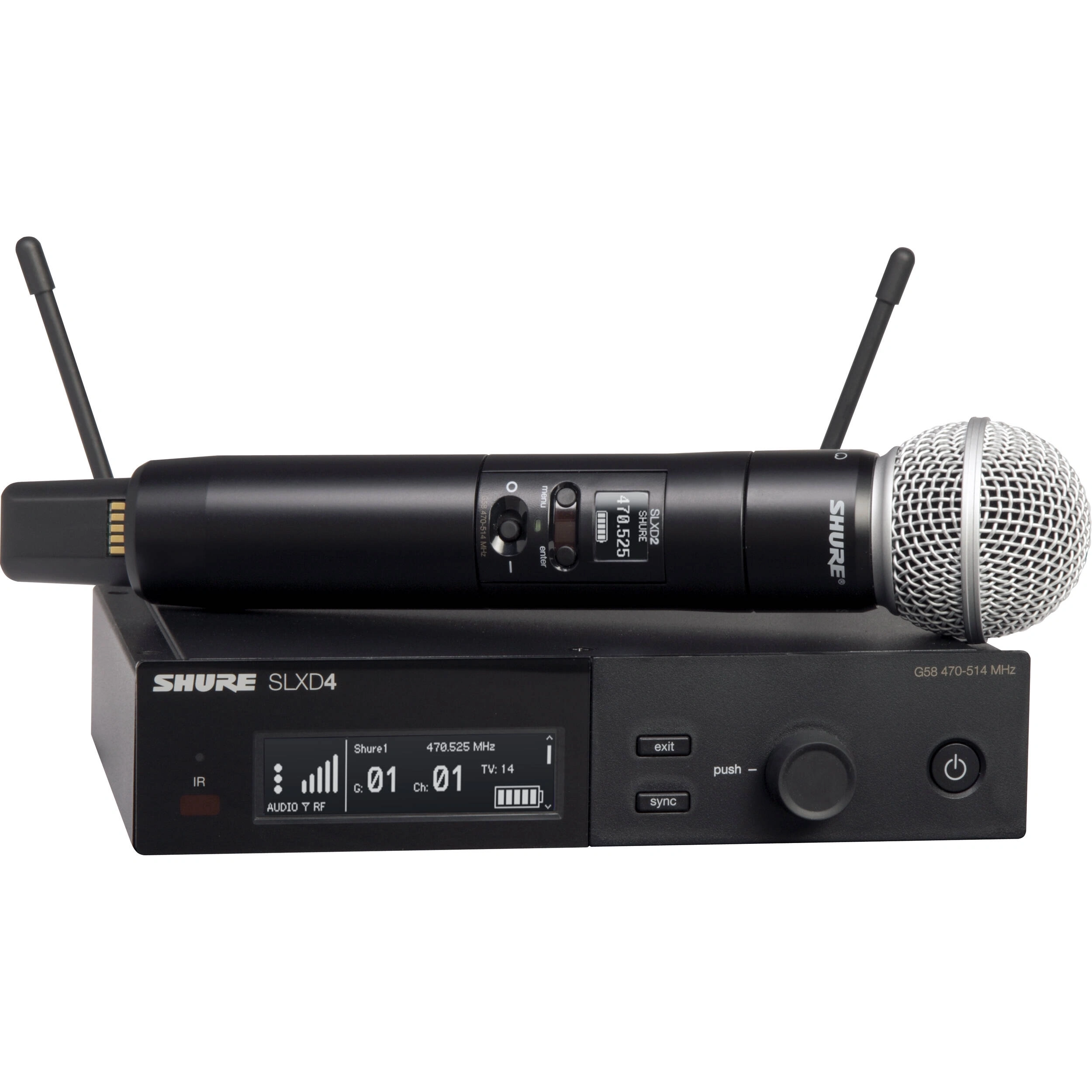
Our workhorse pick: Shure SLX-D
For schools, houses of worship and venues, the Shure SLXD24+/SM58 handheld system is the one we recommend most. It is digital wireless, so what goes into the capsule is what comes out of the receiver — no compander artefacts — and it runs happily on AA batteries or Shure's rechargeable packs all day. Need lapel or headset instead? The SLXD14+/85M bodypack and lavalier system covers presenters and theatre, and dual-channel receivers keep the rack tidy as your channel count grows.
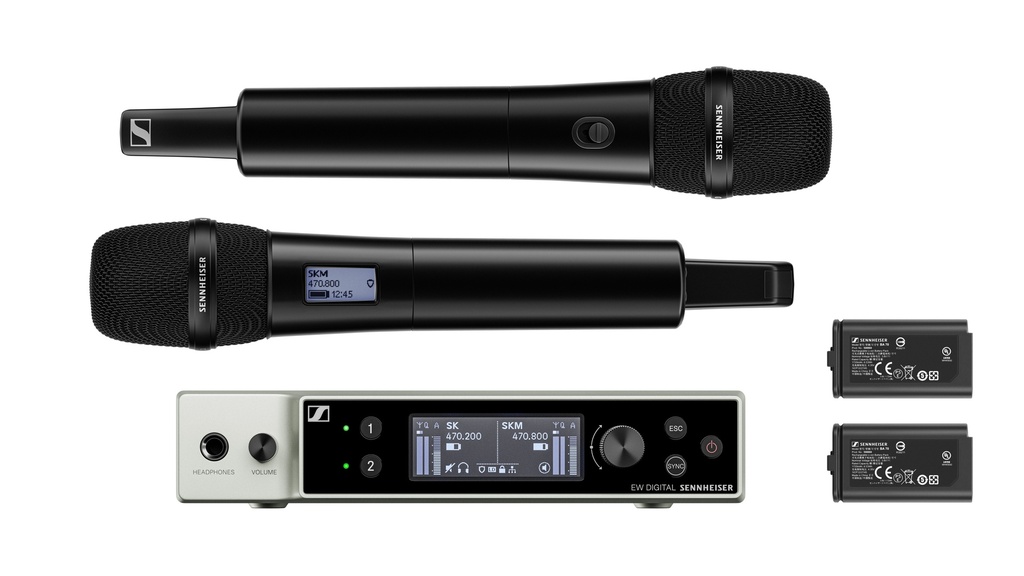
Stepping up: Sennheiser EW-DX
When you need more channels, tighter coordination or Dante networking into a larger system, Sennheiser's EW-DX range is the professional tier — encrypted digital transmission, app-based monitoring and control, and rack receivers up to four channels. It is the range we spec when a venue is buying wireless once and properly.
Quick checklist before you buy
Count the channels you actually need on stage at once, then add one. Decide handheld versus bodypack per user, not per system. Budget for rechargeable batteries — they pay for themselves within months of weekly use. And if you are replacing an older system, check its band before you relegate it to the back-up shelf: if it lives in retired spectrum, retire it too.
Not sure what band your current gear is in, or how many channels will coordinate in your building? Send us the model numbers — we will tell you straight.